


A WELCOMING HOME PSYCHOTHERAPY
Therapy for
Depression
in Toronto & Virtually Across Ontario
Helping you move beyond simply getting through the day and reconnect with yourself, hope, and the life you want to live.
Experience More
Joy & Meaning
Reconnect With
Yourself
Build Hope for
What’s Next
Develop Effective
Ways to Cope

You deserve to feel lighter than this.
Maybe you’ve been carrying this heaviness for so long that it has started to feel normal. You may still be moving through work, relationships, and everyday responsibilities, while quietly feeling drained, disconnected, or like you’re going through the motions. You might find yourself struggling to feel motivated, pulling away from others, or wondering why life feels harder than it used to.
Together, we’ll work to better understand what you’re experiencing, make space for what you’ve been carrying, and take meaningful steps toward feeling more engaged in your life again.

Depression can look different than people expect.
When many people think of depression, they often picture someone who can’t get out of bed. And sometimes depression can look like that. But, often, it can be much quieter.
You may find yourself:
Feeling emotionally numb or disconnected
Losing interest in activities you once enjoyed
Feeling exhausted, even after resting
Struggling to find motivation for everyday tasks
Withdrawing from family, friends, or social activities
Feeling hopeless or stuck
Being overly critical of yourself
Wondering why everything feels so difficult
Over time, depression can make the world feel smaller, leaving you feeling disconnected from yourself, your relationships, and the things that once mattered to you. Therapy can help you better understand your experience, reconnect with yourself, and begin taking small, meaningful steps.
Therapy for Depression Can Support You With:
Low Mood & Emotional Heaviness
Feeling persistently sad, discouraged, empty, or weighed down, even when you can’t always identify a clear reason why.
Emotional Numbness & Disconnection
Feeling detached from your emotions, relationships, or the experiences that used to make you feel engaged and present.
Self-Criticism & Low Self-Worth
Struggling with harsh self-judgment, guilt, shame, or the belief that you should be doing better than you are.
Loss of Motivation & Energy
Finding it difficult to start tasks, make decisions, maintain routines, or participate in activities that once felt manageable.
Changes in Sleep, Appetite & Wellbeing
Experiencing changes in sleep, appetite, concentration, energy, or your ability to feel rested and restored.
Depression Related to Life Changes
Experiencing depression alongside grief, relationship changes, career challenges, identity shifts, or other major transitions.
Difficulty Functioning or Feeling Stuck
Struggling to keep up with work, relationships, responsibilities, or everyday life while feeling unsure how to move forward.
Meet Our Depression Therapists


Rebecca O’Toole
RP(Qualifying), M.Ed.
Rachael Tontodonati
RSW, MSW


Christine Nichols
RP(Qualifying), MACP
Elspeth Hudson
RP, MACP

Our Approach to Therapy for Depression
We Start With Understanding
We begin by getting to know you - not just your symptoms, but the experiences, relationships, circumstances, and concerns that may be shaping how you’re feeling.
We Work Together
Therapy is collaborative and tailored to your needs. We’ll identify what feels most important to work on and develop an approach that feels supportive, realistic, and manageable.
We Make Space For Change
Depression can make even small steps feel difficult. We move at a pace that respects where you are while gently supporting you toward greater engagement, coping, and emotional wellbeing.
Why Work With A Welcoming Home Psychotherapy

Tianna Home, MACP, RP
Founder and Registered Psychotherapist
At A Welcoming Home, we believe therapy starts with feeling safe enough to be honest about what you’re going through. Our therapists offer a warm, compassionate, and collaborative space where you can show up as you are - without needing to minimize your experience or have everything figured out before you arrive.
We know that depression can look very different from one person to the next. We take the time to understand your individual experiences, relationships, strengths, and goals rather than relying on a one-size-fits-all approach. Our therapists meet you where you are while offering thoughtful support, curiosity, and gentle encouragement along the way.
Our approach is trauma-informed and evidence-based, drawing from Cognitive Behavioural Therapy (CBT), Acceptance & Commitment Therapy (ACT), Emotion-Focused Therapy (EFT), Mindfulness, and Self-Compassion practices. Your therapy is tailored to what feels most relevant and supportive for you.
Our hope is that therapy becomes a place where you feel understood and supported as you make sense of your experiences, build new ways of coping, and begin creating more space for connection, meaning, and possibility in your life.

You Don’t Have to Wait Until It Gets Worse
You don’t need to be in crisis to reach out for support. If you’ve been feeling persistently low, disconnected, unmotivated, or unlike yourself, therapy can be a place to start making sense of what you’re experiencing.
Even if it feels difficult to put into words, you don’t have to figure everything out before reaching out. We can start where you are and take it one step at a time.
Results You May Experience
From Therapy for Depression
Every person’s experience with depression is different, and meaningful change happens at a pace that feels right for you. While we can’t guarantee specific outcomes or a specific timeline, many individuals begin to notice meaningful shifts as they engage in the therapy process.
You may begin to experience:
Greater understanding of yourself
More capacity to cope
Renewed motivation and engagement
Greater self-compassion
A stronger sense of purpose
More connection in your daily life
Greater hope for the future
Therapy can help you move beyond simply getting through the day - creating space to reconnect with yourself, rediscover what matters to you, and begin moving toward a life that feels more meaningful and hopeful.

You deserve relief &
we’re here to help you find it.
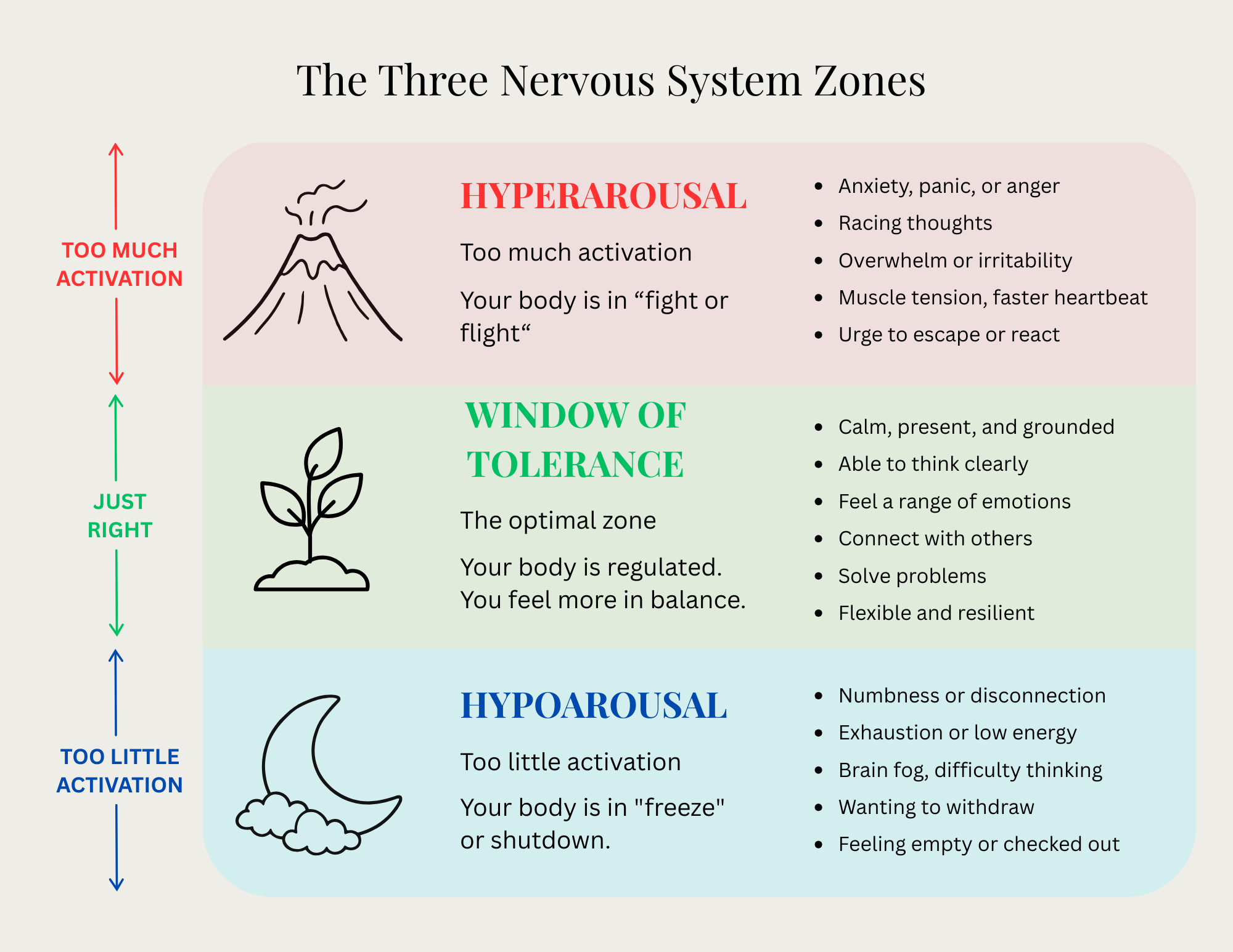
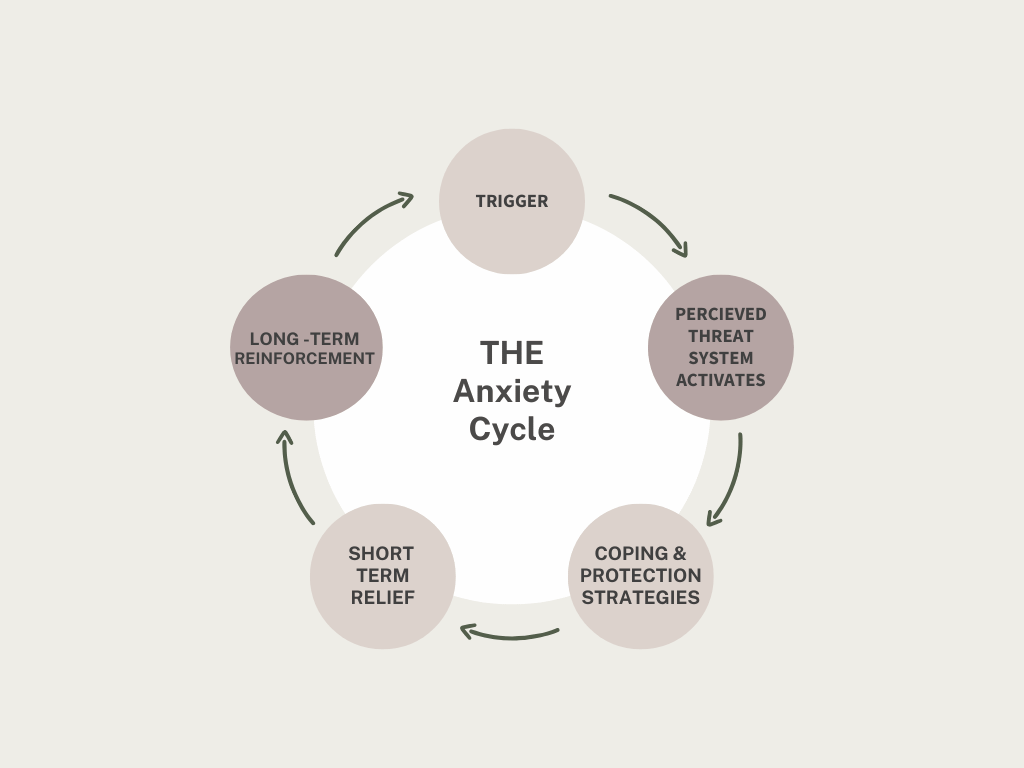
Depression Resources, Worksheets & Articles
Explore therapist-created articles, worksheets, and practical tools designed to help you better understand depression, reconnect with yourself, and take meaningful steps toward healing.
Whether you’re experiencing low mood, loss of motivation, emotional numbness, hopelessness, or feeling disconnected from yourself and others, these resources offer supportive guidance to help you build self-awareness, strengthen coping strategies, and begin moving forward at your own pace.





























Frequently Asked Questions
About Depression Therapy
-
It can be hard to tell when sadness or low energy has crossed the line from temporary feelings to something that could benefit from support. If you’ve been feeling persistently down, empty, or unmotivated for weeks or months, or if your mood is making it difficult to enjoy daily life, work, or relationships, therapy can help. Even if you’re unsure, reaching out for a consultation is a gentle first step - you don’t need to have all the answers or feel “ready” to seek support. Simply exploring what’s happening for you can be empowering and bring clarity.
-
Sadness is a natural emotion that everyone experiences.
Depression tends to be more persistent and can affect many areas of life, including your energy, motivation, sleep, concentration, relationships, and overall sense of wellbeing.
If you're unsure what you're experiencing, therapy can provide a space to explore it without judgment.
-
In therapy, you’ll find a safe, non-judgmental space to talk about your feelings, thoughts, and experiences. Sessions are designed to meet you where you are, whether you’re struggling to get through the day or just want guidance to manage low mood more effectively.
Your therapist will listen deeply, help you understand patterns contributing to your depression, and work with you to develop practical strategies that support your emotional well-being. Together, you’ll build tools to manage stress, navigate challenging emotions, and reconnect with the things that bring meaning and purpose to your life.
-
Therapy isn’t about a quick fix or trying to erase feelings of sadness overnight. Instead, it’s about helping you understand your experience, develop practical skills, and build resilience so that you can navigate low mood more effectively. Over time, therapy can help you feel lighter, more motivated, and more connected to yourself and others. The goal is lasting support - creating real changes that help you regain a sense of hope, balance, and engagement in life.
-
Absolutely. Many people find that therapy works best alongside medication, although it can also be effective on its own. Medication can help stabilize mood, while therapy provides tools to manage emotions, challenge negative thought patterns, and rebuild energy and motivation. Your therapist can collaborate with your doctor or psychiatrist if needed, ensuring a supportive, coordinated approach to your care.
-
Low motivation is a common and understandable part of depression, and it doesn’t mean you’re “lazy” or “weak.” In therapy, we work gently with you, taking small, manageable steps to gradually build energy and engagement. Even tiny actions, like getting outside for a few minutes or doing a simple task, can be meaningful.
Over time, these small steps can create momentum, helping you reconnect with daily life, activities you enjoy, and a sense of purpose - all at a pace that feels safe and compassionate.
-
Many people experiencing depression continue to work, care for their families, and meet their responsibilities.
From the outside, things may appear fine, but internally you may feel exhausted, disconnected, overwhelmed, or emotionally numb.
You do not need to be in crisis for your struggles to be valid or deserving of support.
-
Yes.
Many people living with depression find themselves thinking:
"I should be grateful."
"Other people have it worse."
"I shouldn't feel this way."
These thoughts can make it harder to seek support.
Your struggles do not need to be compared to anyone else's in order to matter.
-
No.
Many people begin therapy because they're feeling emotionally exhausted, disconnected, overwhelmed, or simply unlike themselves.
You don't need to be in crisis to benefit from support.
Sometimes therapy begins not because everything has fallen apart, but because you're ready to stop carrying so much on your own.
-
You can click here or on any of the “Book An Appointment” or “Book A Consultation” buttons throughout the website (also at the top of the page). You will be directed to our scheduling system, Jane. From there, you can schedule with your selected therapist, complete online forms, reschedule or cancel appointments and message your therapist.
Have other questions?
Get in touch with us.
A WELCOMING HOME PSYCHOTHERAPY IN TORONTO & ACROSS ONTARIO
Ready to Take the First Step?
Whether you prefer virtual sessions that fit into your busy schedule or in-person counselling sessions in Toronto, we are here to support you.
Let’s Connect!
Finding the right therapist is personal. A free consultation gives you the opportunity to ask questions, share what you’re looking for, and see if we’re a good fit.
Prefer to book directly? You can also book your first appointment online.
Contact Information
Call Us:(249)206-0429
Email us: info@awelcominghomepsychotherapy.ca

When you’re ready to feel at home within.
A Welcoming Home Psychotherapy
Reconnecting with your inner self.
Reviewed by Tianna Home - Founder, MACP, RP